Delving into the realm of emergency health insurance, this guide aims to shed light on the importance of being covered during unforeseen medical situations. From understanding the basics to exploring coverage options, this comprehensive overview will equip you with essential knowledge to make informed decisions.
Emergency Health Insurance Overview
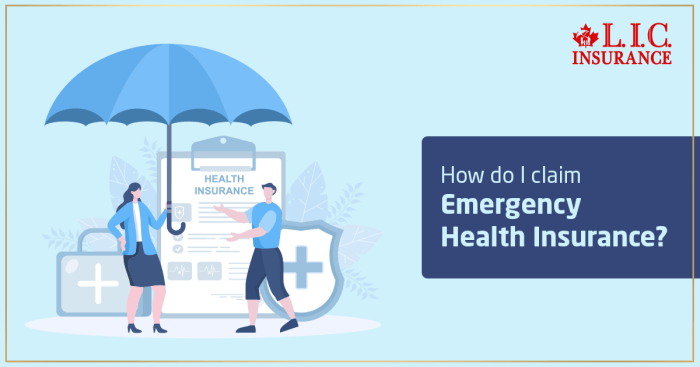
Emergency health insurance is a type of insurance coverage that helps individuals cover medical expenses in case of unexpected and urgent medical situations. It is designed to provide financial protection and peace of mind during emergencies when medical bills can be high.
Key Features and Benefits
- Emergency Coverage: Emergency health insurance typically covers expenses related to sudden illnesses, injuries, or accidents that require immediate medical attention.
- Hospitalization Benefits: This type of insurance can help cover costs associated with hospital stays, surgeries, medications, and other necessary treatments.
- Emergency Transportation: Some plans may also include coverage for emergency medical transportation, such as ambulance services or air evacuation in critical situations.
- Global Coverage: Many emergency health insurance plans offer coverage both domestically and internationally, making it ideal for travelers and expats.
- Peace of Mind: By having emergency health insurance, individuals can focus on their recovery without worrying about the financial burden of unexpected medical expenses.
Coverage and Limitations
When it comes to emergency health insurance, it is crucial to understand the coverage it offers as well as the limitations or exclusions that may apply. Emergency health insurance typically provides coverage for sudden and unexpected medical emergencies that require immediate attention.
This can include hospitalization, emergency room visits, ambulance services, and some diagnostic tests and treatments.
Coverage Offered
- Emergency room visits
- Hospitalization
- Ambulance services
- Diagnostic tests and treatments
- Surgical procedures
Limitations and Exclusions
- Pre-existing conditions may not be covered
- Certain high-risk activities such as extreme sports may be excluded
- Some elective procedures or treatments may not be covered
- Coverage may be limited when traveling outside of the coverage area
- There may be a cap on the maximum benefit amount per year
Cost and Affordability
When it comes to emergency health insurance, the cost is a significant factor to consider. The price of insurance can vary depending on various factors, such as age, location, coverage level, and pre-existing conditions. Understanding what influences the cost of emergency health insurance is crucial in finding an affordable plan that meets your needs.
Factors Influencing Cost
- Age: Younger individuals typically pay lower premiums compared to older individuals.
- Location: The cost of healthcare services and insurance can vary based on where you live.
- Coverage Level: The more comprehensive the coverage, the higher the cost of insurance.
- Pre-Existing Conditions: Individuals with pre-existing conditions may face higher premiums.
Finding Affordable Plans
- Compare Quotes: Shop around and compare quotes from different insurance providers to find the best rates.
- Consider High Deductibles: Opting for a plan with a higher deductible can lower your monthly premiums.
- Look for Subsidies: Depending on your income level, you may qualify for government subsidies to help reduce the cost of insurance.
Balancing Cost and Coverage
- Assess Your Needs: Determine the level of coverage you need based on your health status and potential risks.
- Avoid Over-Insurance: Don't pay for coverage you don't need, as it can drive up costs unnecessarily.
- Consider Out-of-Pocket Costs: Look beyond premiums and consider out-of-pocket costs like deductibles, copayments, and coinsurance.
Application and Eligibility
When applying for emergency health insurance, individuals must go through a straightforward process to obtain coverage in case of unforeseen medical emergencies. It is essential to understand the eligibility criteria and how pre-existing conditions may impact one's ability to secure emergency health insurance.
Application Process
- Individuals interested in emergency health insurance typically need to fill out an application form provided by the insurance provider.
- The application may require personal information, medical history, and details about pre-existing conditions.
- Once the application is submitted, the insurance provider will review the information provided to determine eligibility and coverage options.
Eligibility Criteria
- Eligibility for emergency health insurance may vary depending on the insurance provider and the specific policy being offered.
- Generally, individuals must be within a certain age range and meet the residency requirements set by the insurance provider.
- Some insurance plans may have restrictions based on pre-existing conditions or medical history.
Impact of Pre-Existing Conditions
- Individuals with pre-existing conditions may face challenges when seeking emergency health insurance.
- Insurance providers may offer coverage with exclusions related to pre-existing conditions or may charge higher premiums to mitigate the risk.
- It is crucial for individuals with pre-existing conditions to carefully review policy terms and conditions to understand coverage limitations.
Benefits of Emergency Health Insurance
Emergency health insurance offers a range of advantages that can provide individuals with financial protection during unexpected medical emergencies. Let's delve into the key benefits of having emergency health insurance coverage.
Financial Protection
Emergency health insurance helps protect individuals from the financial burden of costly medical treatments and procedures. In the event of an unexpected illness or injury requiring hospitalization or surgery, having insurance coverage can alleviate the stress of high medical bills.
Without insurance, individuals may face significant out-of-pocket expenses that could lead to financial hardship.
Access to Quality Healthcare
With emergency health insurance, individuals have access to a network of healthcare providers and facilities, ensuring prompt and quality medical care when needed. This can be crucial in emergency situations where timely treatment is essential for recovery and well-being. Insurance coverage can help individuals receive the necessary medical attention without delays due to financial constraints.
Peace of Mind
Having emergency health insurance provides peace of mind knowing that one is financially protected in case of unforeseen medical emergencies. This sense of security allows individuals to focus on their health and recovery without worrying about the financial implications of medical treatment.
It offers a safety net that can provide reassurance during challenging times.
Real-Life Examples
Imagine a scenario where an individual is involved in a car accident and sustains serious injuries requiring immediate surgery and hospitalization. Without emergency health insurance, the cost of treatment could be overwhelming, potentially leading to financial strain for the individual and their family.
However, with insurance coverage in place, the individual can receive the necessary medical care without worrying about the exorbitant expenses, enabling them to focus on recovery.In another example, a sudden illness necessitates emergency medical attention, including diagnostic tests, medications, and hospitalization.
With emergency health insurance, the individual can access the required healthcare services without hesitation, ensuring timely treatment and a smoother recovery process. This highlights how insurance coverage can make a significant difference in managing unforeseen medical emergencies.
Closure
In conclusion, emergency health insurance serves as a crucial safety net in times of medical crisis, offering financial protection and peace of mind. By weighing the benefits, costs, and coverage limitations, individuals can secure a plan that suits their needs.
Stay informed, stay prepared, and stay covered with emergency health insurance.
Common Queries
What does emergency health insurance cover?
Emergency health insurance typically covers emergency room visits, ambulance services, and hospitalization costs related to sudden illnesses or injuries.
Are pre-existing conditions covered under emergency health insurance?
Most emergency health insurance plans do not cover pre-existing conditions, as they are designed to provide immediate coverage for unforeseen emergencies.
How can I find affordable emergency health insurance?
To find affordable emergency health insurance, consider comparing multiple plans, adjusting coverage limits, and exploring options through healthcare marketplaces or insurance brokers.
Can emergency health insurance be used for non-emergency medical services?
No, emergency health insurance is specifically tailored to cover sudden and unexpected medical emergencies. Routine check-ups or elective procedures are typically not covered.